The Learning Frontier · Palo ALto, CA · Mar 5, 2026
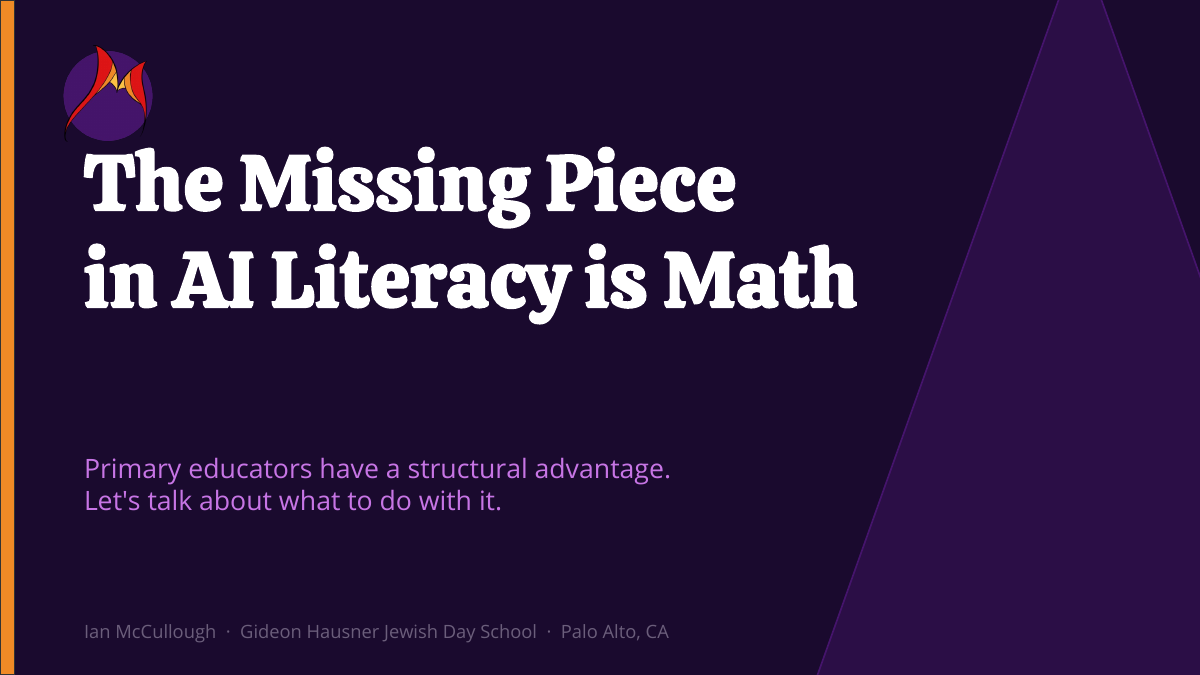
The Missing Piece in AI Literacy is Math
Primary educators have a structural advantage. Let's talk about what to do with it.
View the event listing →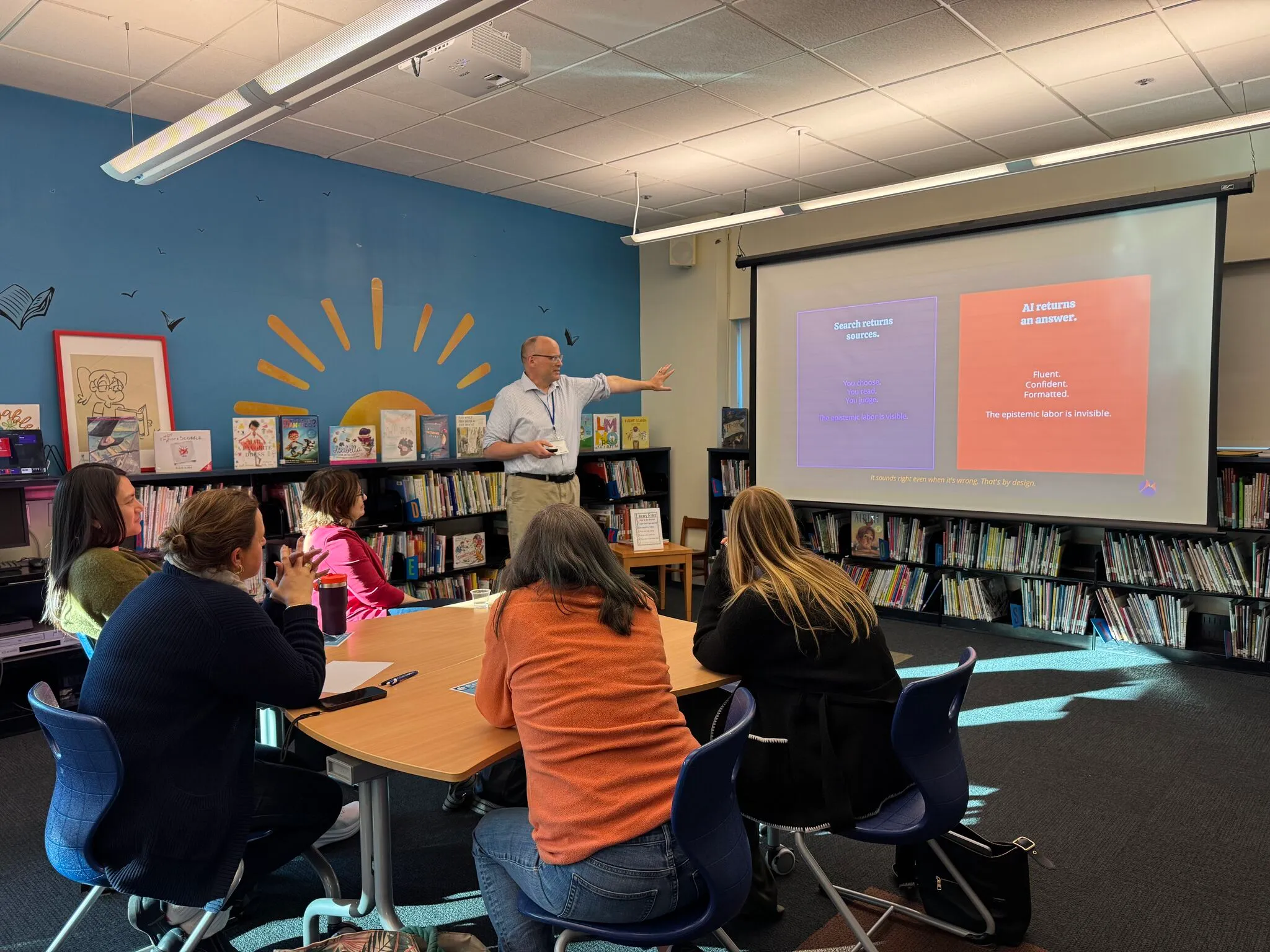
About the session
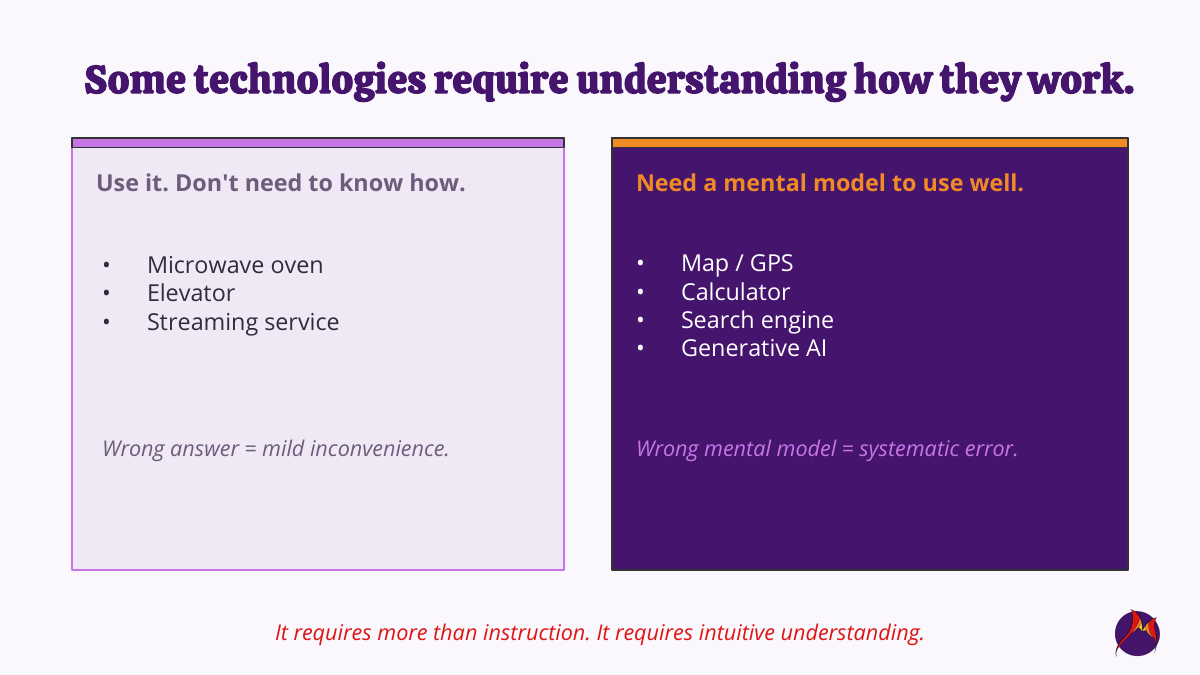
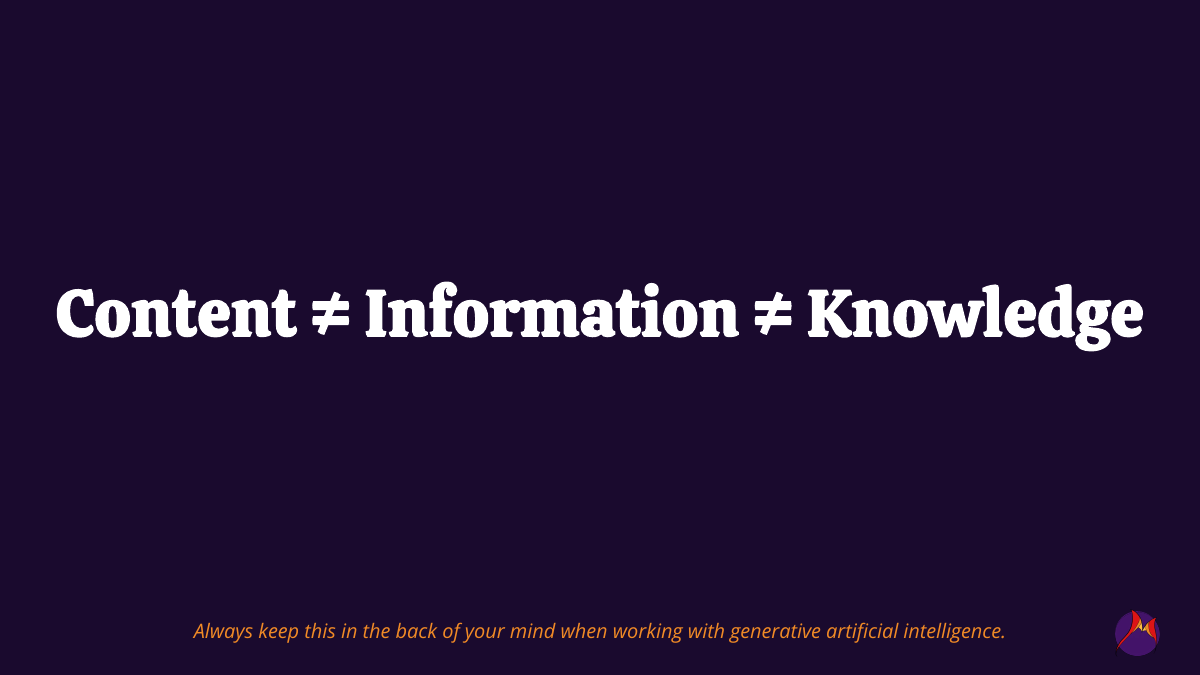
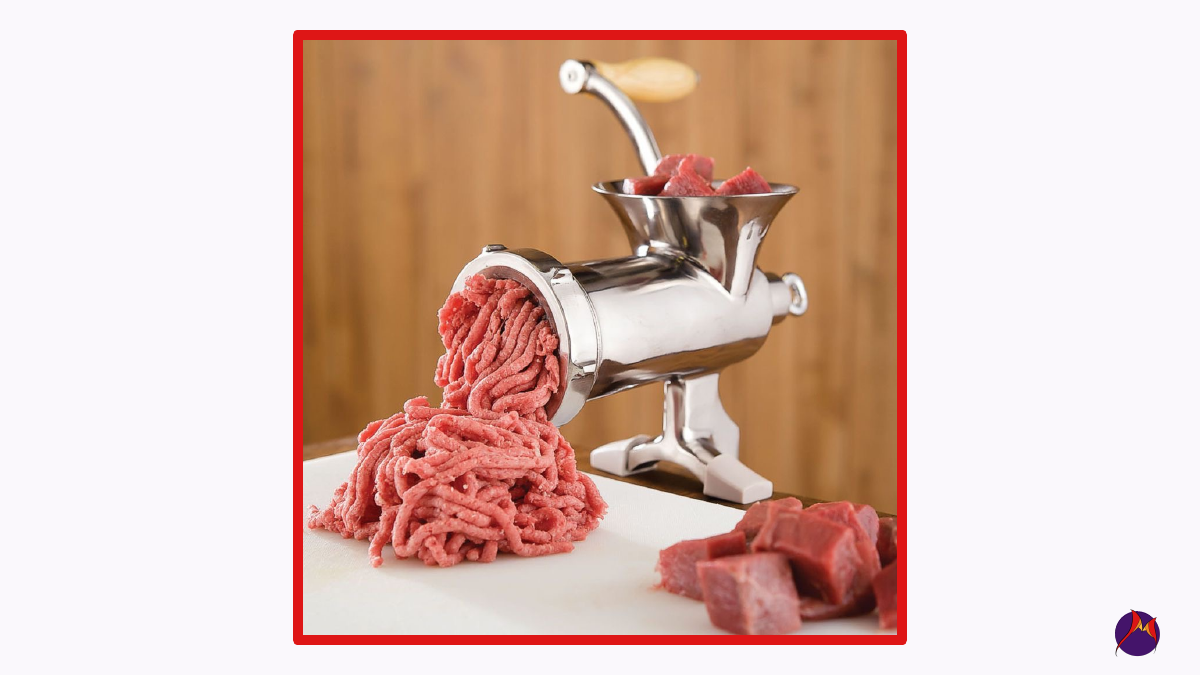
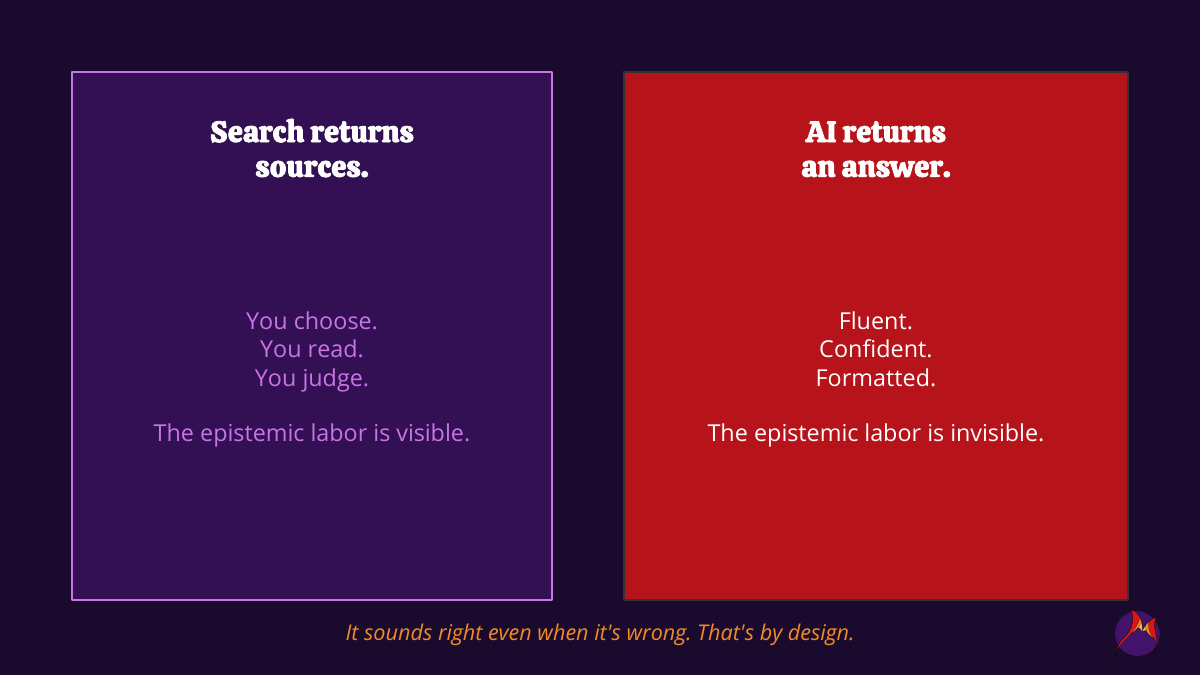
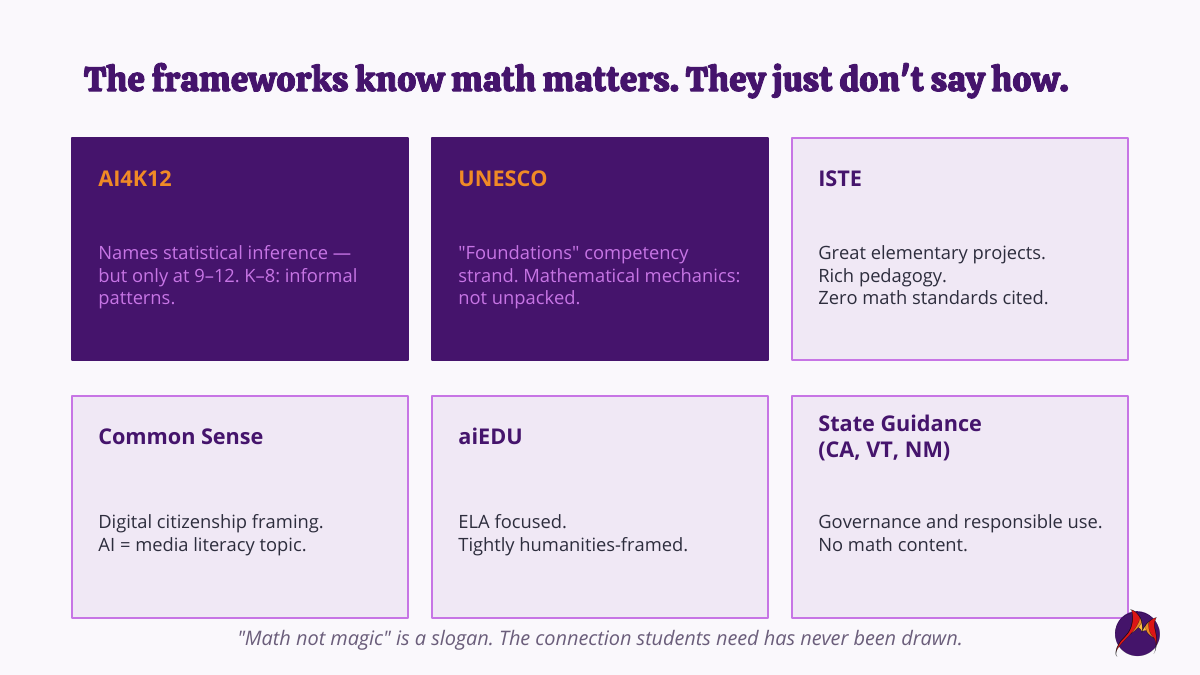
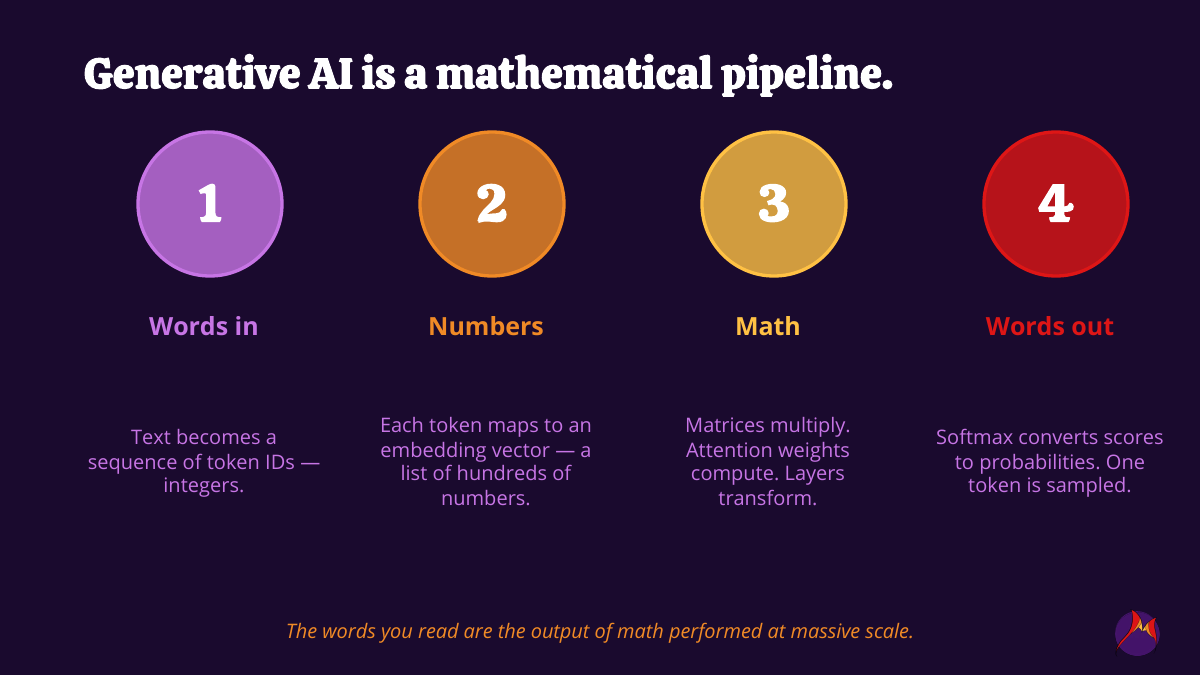
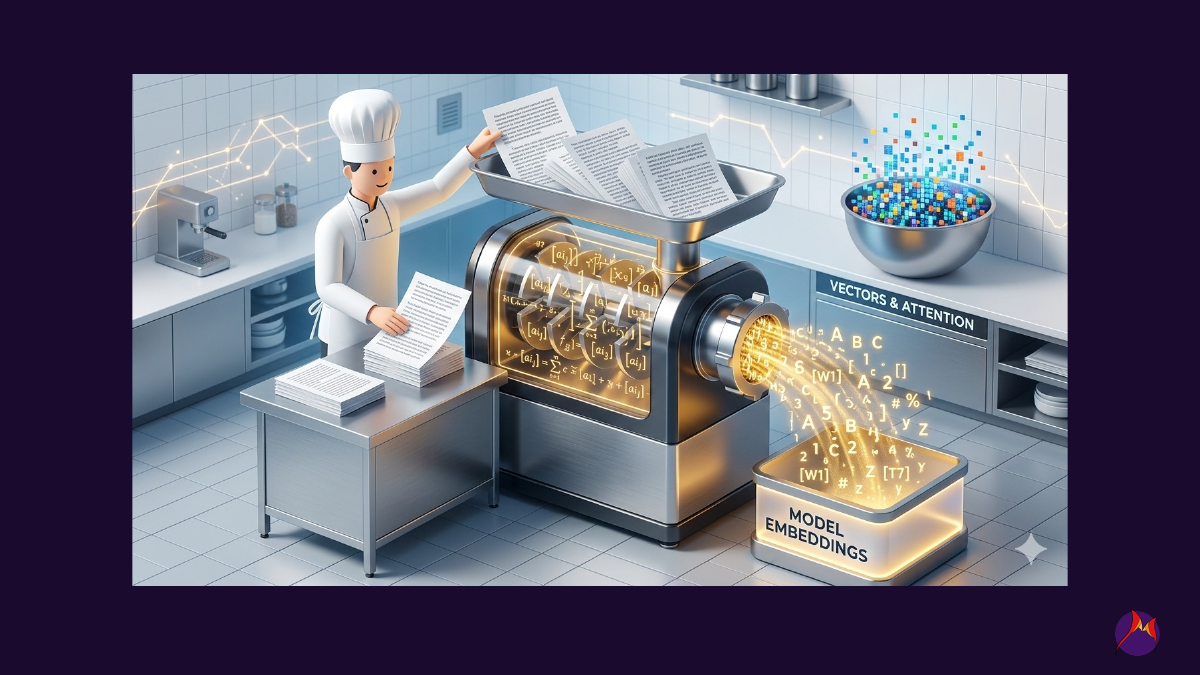
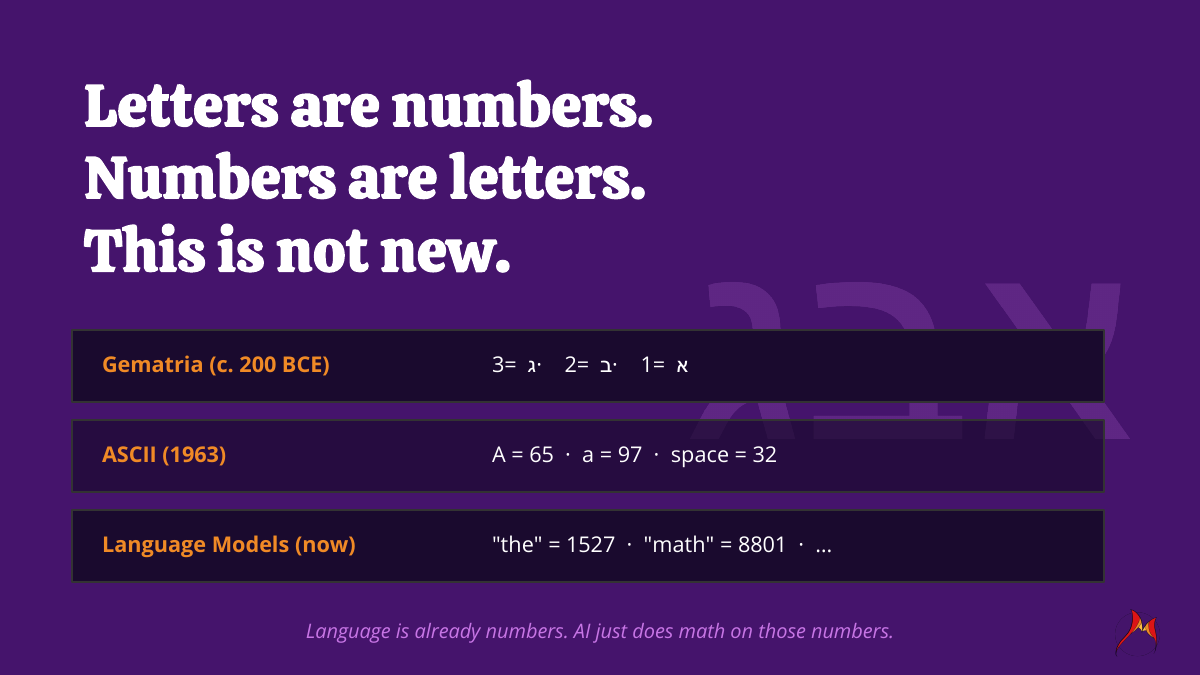
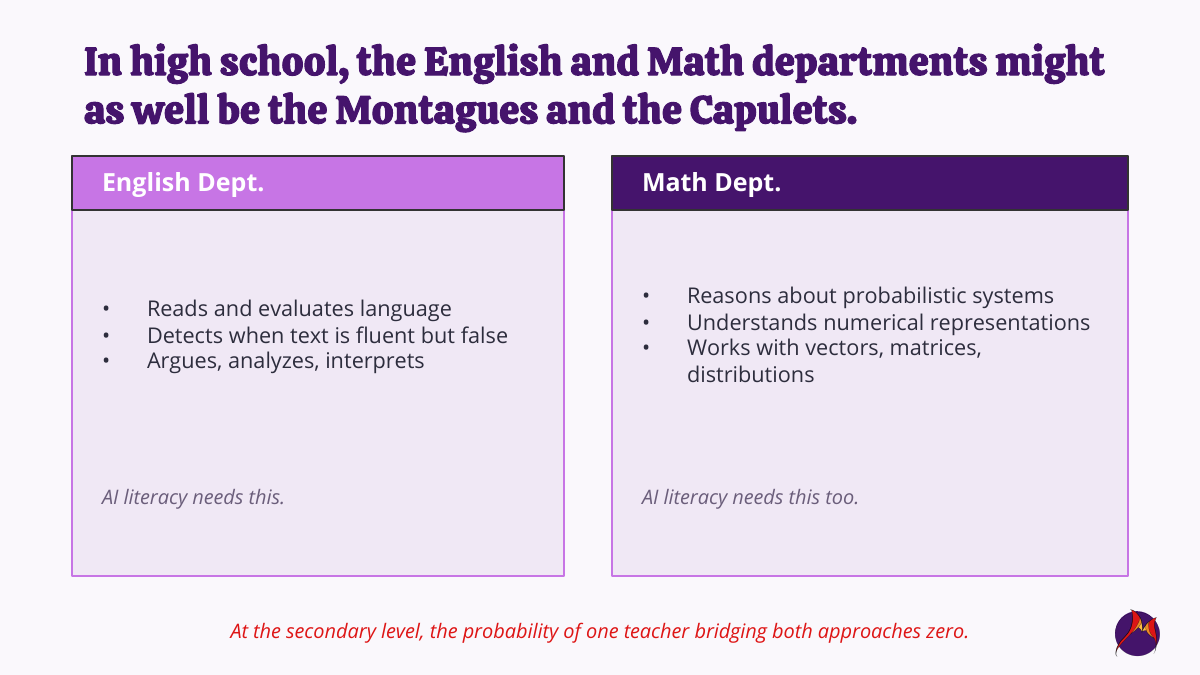
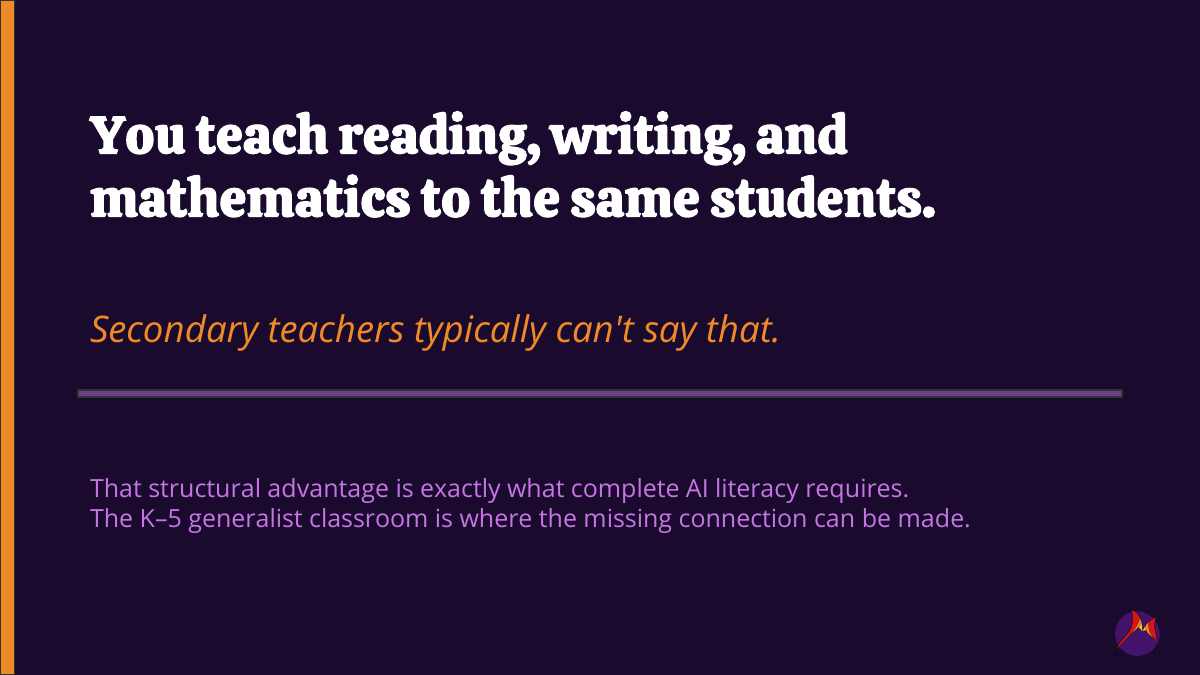
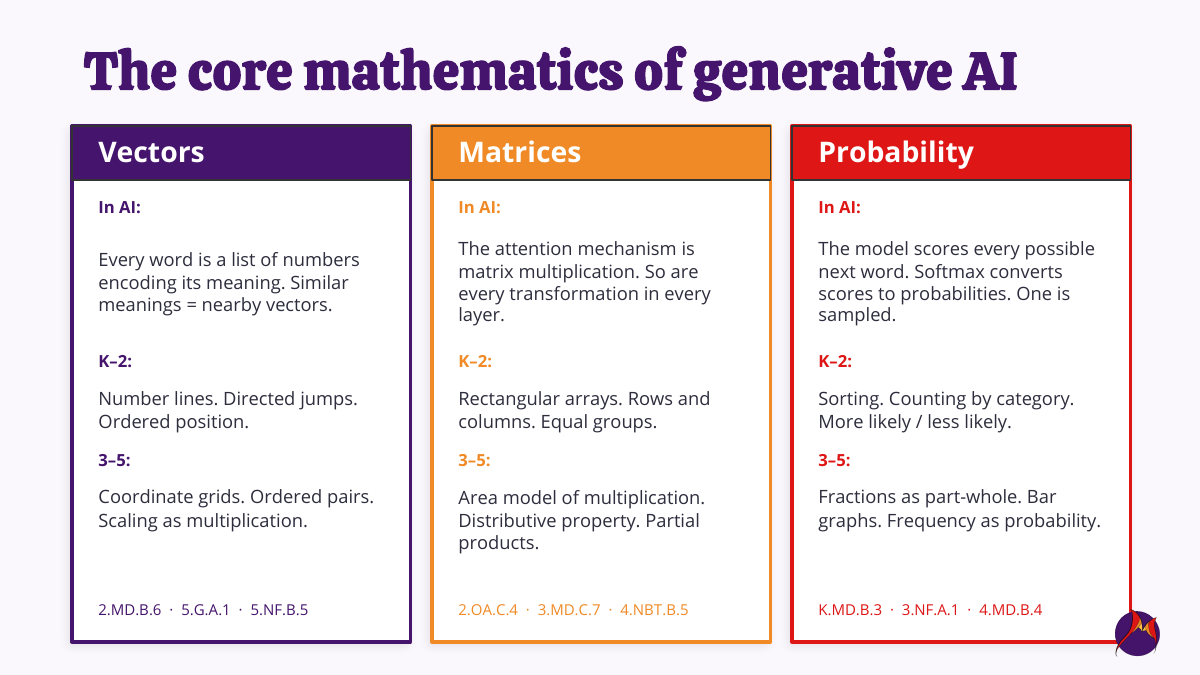
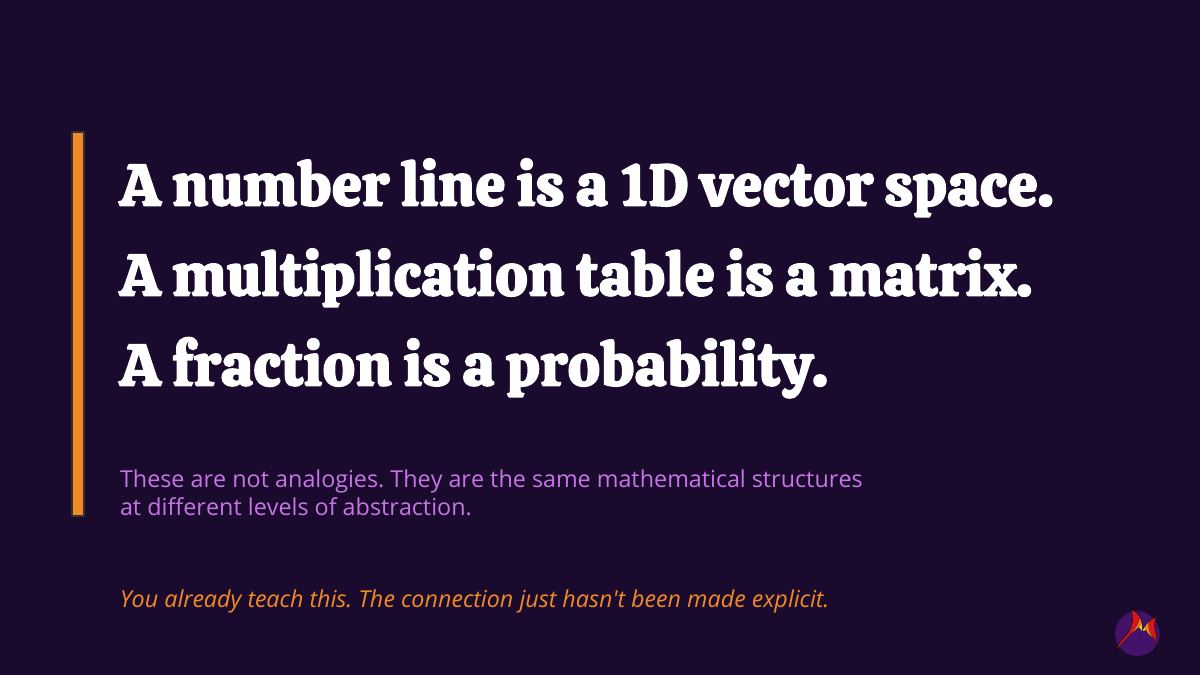
In order for a student to master generative artificial intelligence, they must develop an intuitive grasp of how it actually works. Generative AI isn't magic; it's a system that predicts the next word by doing math at massive scale. Primary educators who teach reading, writing, and mathematics to the same students have a structural advantage that secondary teachers lack. The K–5 generalist classroom can connect these disciplines early, building the conceptual groundwork that can elevate students' ability to use AI effectively.
The slides
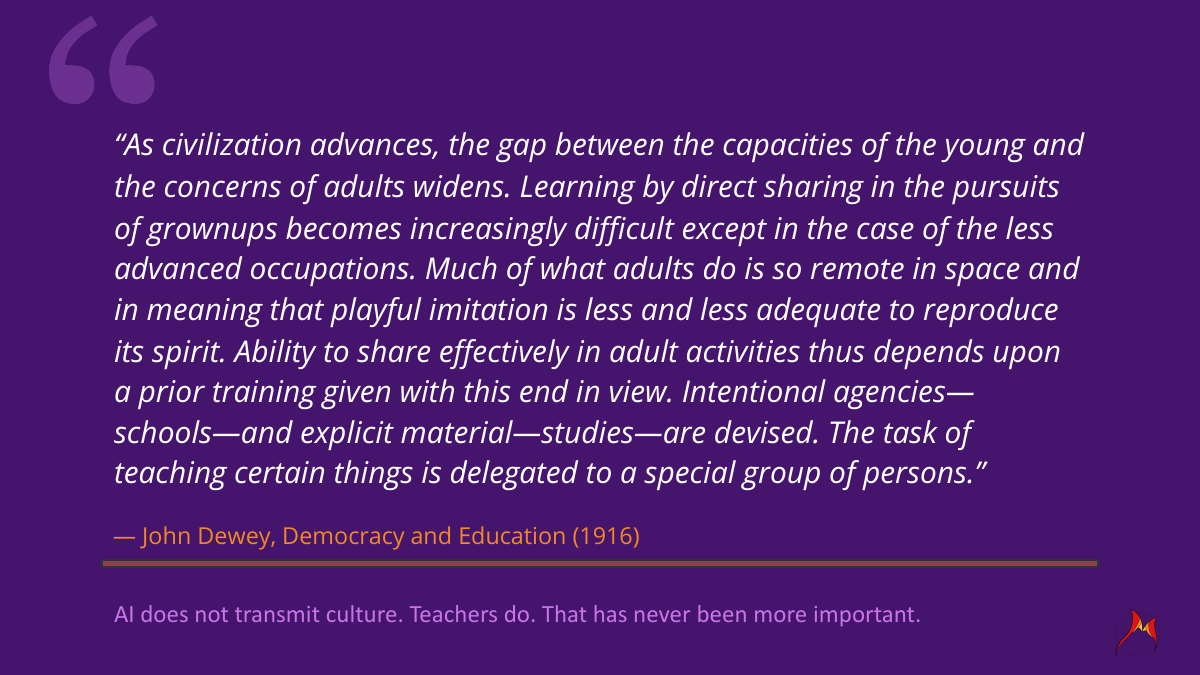
All 20 slides from the session. Swipe or use the arrows to flip through.

Discussion questions
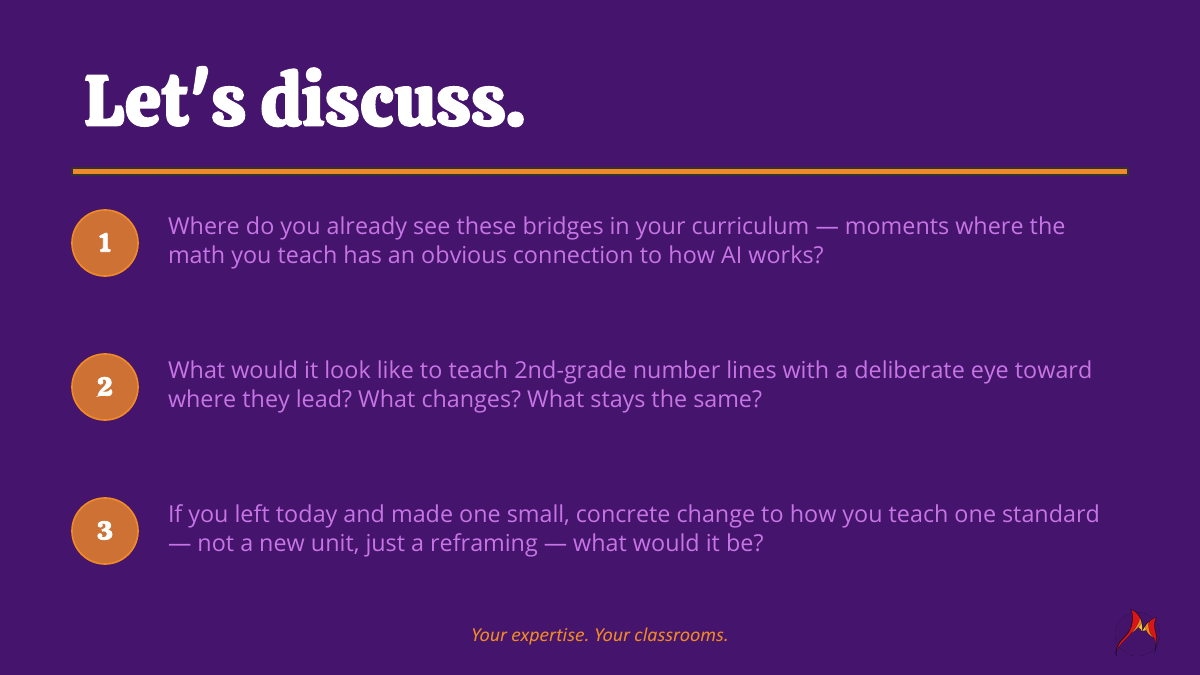
The session closed with three questions for participants to work through together.
- Where do you already see these bridges in your curriculum — moments where the math you teach has an obvious connection to how AI works?
- What would it look like to teach 2nd-grade number lines with a deliberate eye toward where they lead? What changes? What stays the same?
- If you left today and made one small, concrete change to how you teach one standard — not a new unit, just a reframing — what would it be?
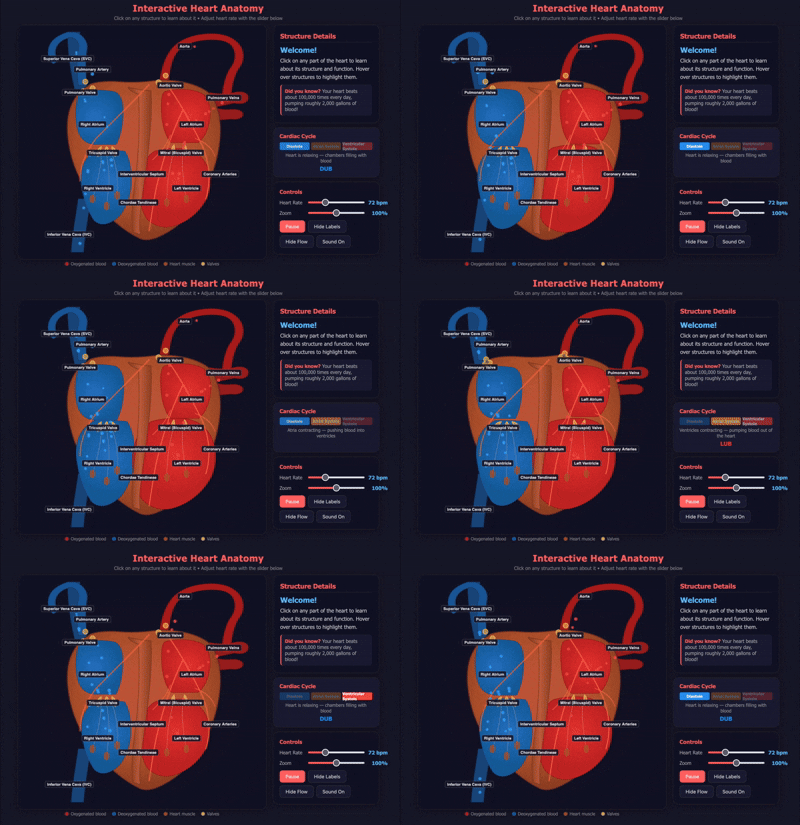
Built live: an interactive model of a heart
During the discussion, I put together a couple of quick interactive demos showing the same numbers-in, math, numbers-out pipeline at work in a simple heart-rate simulation — vibe-coded on the spot.